The best way for kids to learn Spanish: a parent's guide
The best way for kids to learn Spanish: short speaking lessons with a tutor who teaches children, plus daily low-pressure Spanish at home. Methods compared.
By Mathias C.
Learn with a private tutor, 50% offon Preply, with our link →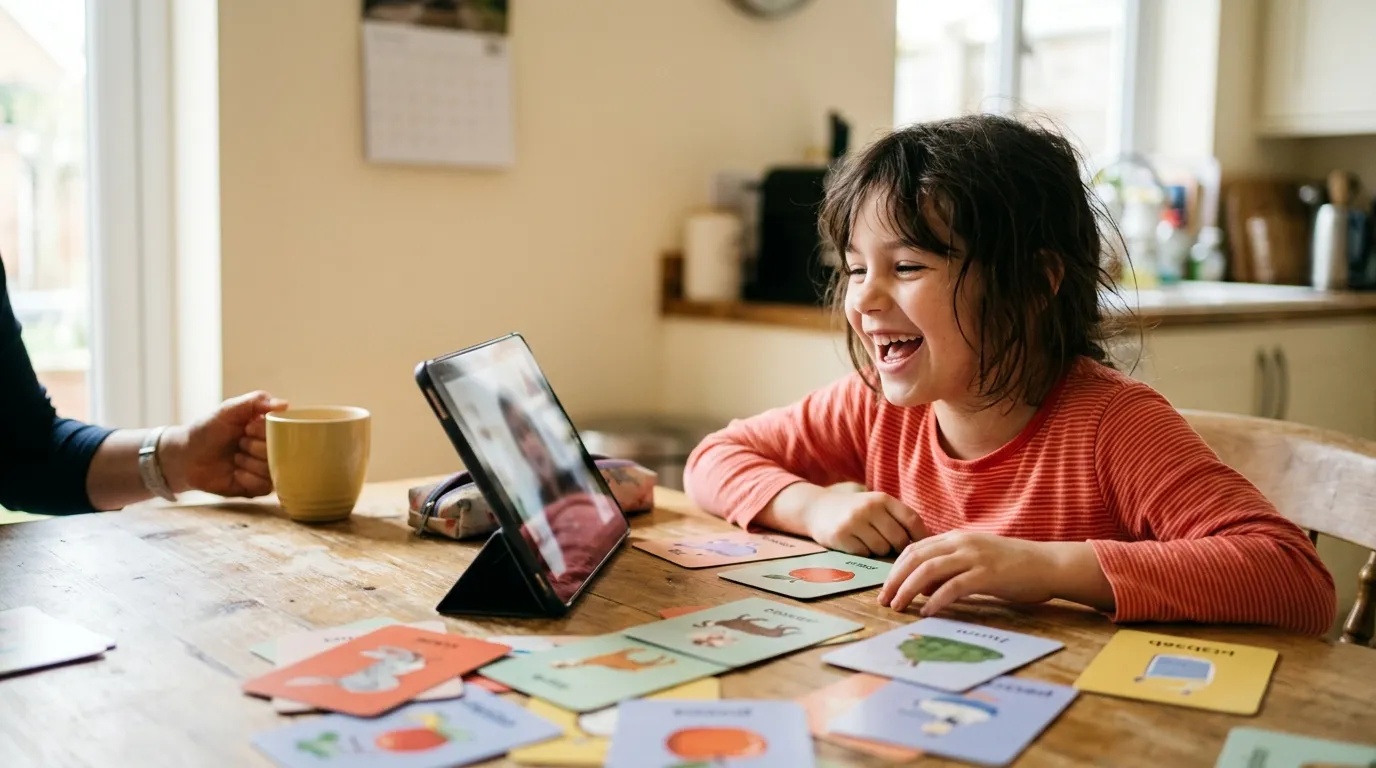
The best way for kids to learn Spanish is to speak it regularly with a real person, in short sessions, and to hear it a little every day at home. Children rarely lose interest because Spanish is too hard. They lose interest when it starts to feel like homework.
What is the best way for kids to learn Spanish?
Short, regular speaking time with an adult who answers them works best, backed by daily low-pressure Spanish at home. Each method below does one part of the job; the combination is what gets a child talking.
| Method | What it's good for | Its limit |
|---|---|---|
| Private tutor who teaches kids (online or in person) | Speaking, pronunciation, lessons built around the child's interests | Costs money; depends on finding the right tutor |
| School Spanish class | Structure, grammar, classmates | Little speaking time per child in a group |
| Apps and games | Vocabulary and daily habit | Rarely makes a child hold a conversation |
| Cartoons, songs and books in Spanish | Listening, accent, pleasure | Passive on its own |
| Family or friends who speak Spanish | Real conversations, motivation | Not available to every family |
Verdict: pair a weekly speaking lesson with ten minutes of Spanish fun at home, and let apps play a supporting role. More options for families are on our page for kids and teens.
What is the best way for kids to learn Spanish at each age?
The younger the child, the more Spanish should feel like play; the older, the more it can look like real conversation practice. A rough guide:
| Age | What works | Lesson format |
|---|---|---|
| 3–5 | Songs, picture books, cartoons, simple games with a parent | Short playful sessions; a tutor is optional |
| 6–9 | Games, picture cards, role play with a tutor who teaches kids | 25–30 minute lessons, once or twice a week |
| 10–13 | Topics they love (sports, games, animals), reading short stories | 25–50 minute lessons with conversation |
| 14–18 | Real conversation, exam prep (AP Spanish, school tests), series | 50-minute lessons, focused on speaking |
Verdict: match the format to your child's attention span, not to a curriculum.
Can you teach kids Spanish if you don't speak it?
Yes. Your job is to make Spanish part of family life, not to teach grammar. Put on Spanish cartoons and songs, read bilingual picture books together, learn a few words alongside your child, and leave the speaking practice and corrections to a tutor. Children often enjoy correcting a parent who is learning too.
How to choose a Spanish tutor for your kid
Teaching a 9-year-old is a different job from teaching an adult. When you compare tutors, look for:
- Kids or teens listed as a specialty, with experience you can see in their intro video.
- Short activities instead of long explanations: songs, picture cards, guessing games, role play.
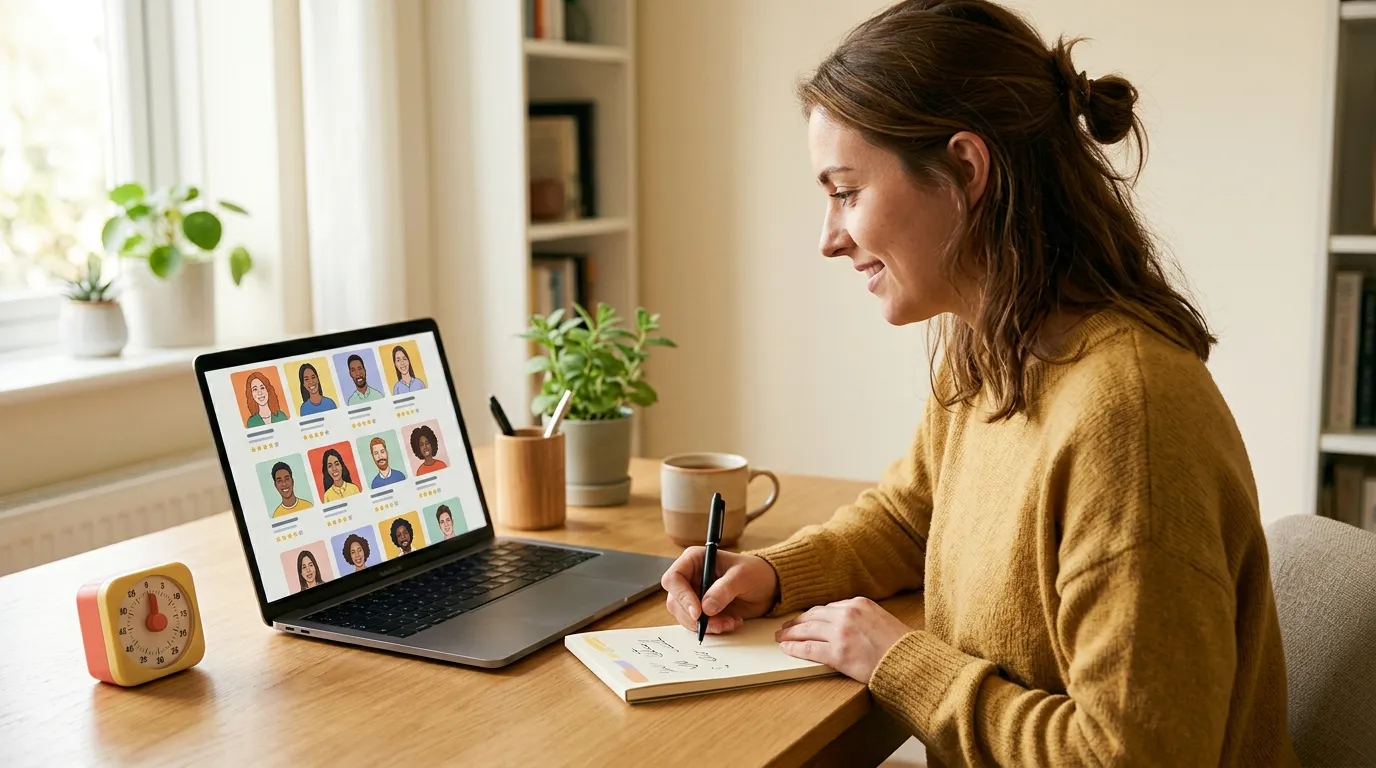
- Energy in the trial lesson. The filters in our guide to choosing a tutor apply to kids too. Watch your child, not the tutor: are they laughing and answering, or staring at the screen?
For younger children, shorter lessons (around 30 minutes) are often easier to sustain than a full hour. Ask the tutor what they recommend for your child's age.
How to make kids want to learn Spanish: start with what they love
The fastest way to motivation is a topic they already care about. Tell the tutor in advance: football, dinosaurs, Minecraft, horses, cooking. A lesson about describing their favourite footballer in Spanish beats a lesson about "the family" every time.
How can kids learn Spanish at home between lessons?
A lesson once or twice a week isn't much on its own. Small, low-pressure habits make the difference:
| Idea | Why it works |
|---|---|
| Cartoons or series they already know, in Spanish | They follow the story, so they don't need to understand every word |
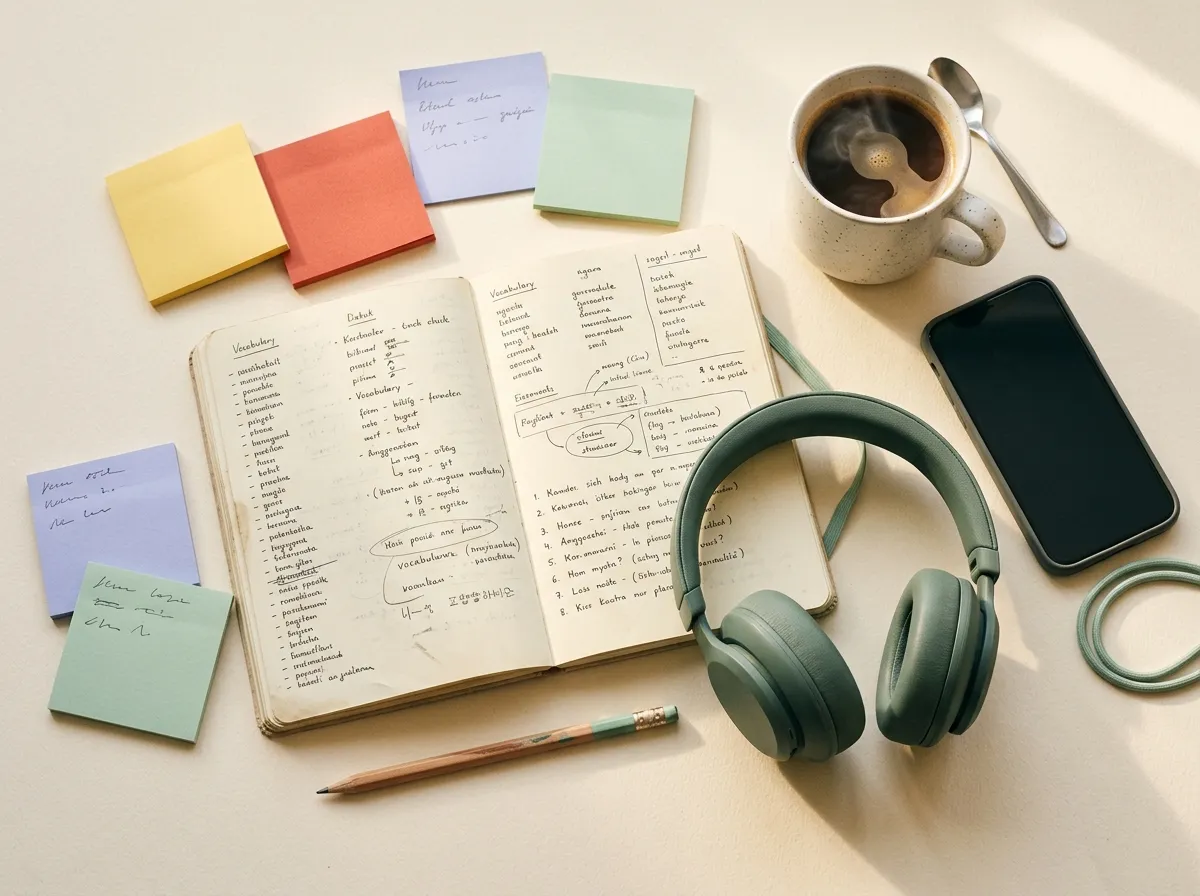
| 5 new words on sticky notes around the house (start with lesson-one phrases for older kids) | Repetition without a textbook |
| Spanish at one meal a week (¡Buen provecho!) | Makes it a family game, not a chore |
| Bilingual picture books at bedtime | Vocabulary with pictures, and a calm routine |
| Songs in the car | Rhythm helps memory, and kids love repeating them |
Should you correct your kid's Spanish at home?
Correct gently and rarely at home: that's the tutor's job. At home, the only goal is that your child wants to say something in Spanish. Praise the attempt, even with mistakes.
Is your kid's Spanish tutor working? Signs to watch
A good sign: your child mentions the tutor by name or asks when the next lesson is. A warning sign: dread before every lesson for several weeks. In that case, try another tutor before giving up on Spanish. The fit between a child and a teacher matters enormously.
Learning alongside your child? Try the five flip cards on our Spanish page.
Questions parents ask about kids learning Spanish
What is the best way for kids to learn Spanish?
Regular speaking with a real person, in short sessions, plus a little Spanish every day at home through cartoons, songs and games. Apps help with vocabulary, but children learn to speak by talking with someone who answers them.
How long should an online Spanish lesson be for a child?
For younger children, around 30 minutes is often easier to sustain than a full hour. Ask the tutor what they recommend for your child's age.
Can I teach my kid Spanish if I don't speak it?
Yes. Make Spanish part of family life with cartoons, songs and bilingual picture books, learn a few words alongside your child, and leave speaking practice and corrections to a tutor.
At what age can a child start online language lessons?
Many tutors teach children from primary-school age. What matters most is whether your child can follow a screen and interact for the length of the lesson.
How do I know if a tutor is good with kids?
Watch your child during the trial lesson: are they laughing and answering, or staring at the screen? The tutor's energy and short activities matter more than a long CV.
Should I sit next to my child during the lesson?
For young children, staying nearby for the first lessons helps. Step back as soon as they're comfortable, so they talk to the tutor rather than to you.
What if my child dreads their Spanish lessons?
If it lasts several weeks, try another tutor before giving up on Spanish. The fit between a child and a teacher matters a lot.