Medical Spanish classes online: how to find the right tutor
Medical Spanish classes online come in three formats: self-paced courses, live university classes and 1-on-1 tutors. Compare prices, CME and speaking time.
By Mathias C.
Learn with a private tutor, 50% offon Preply, with our link →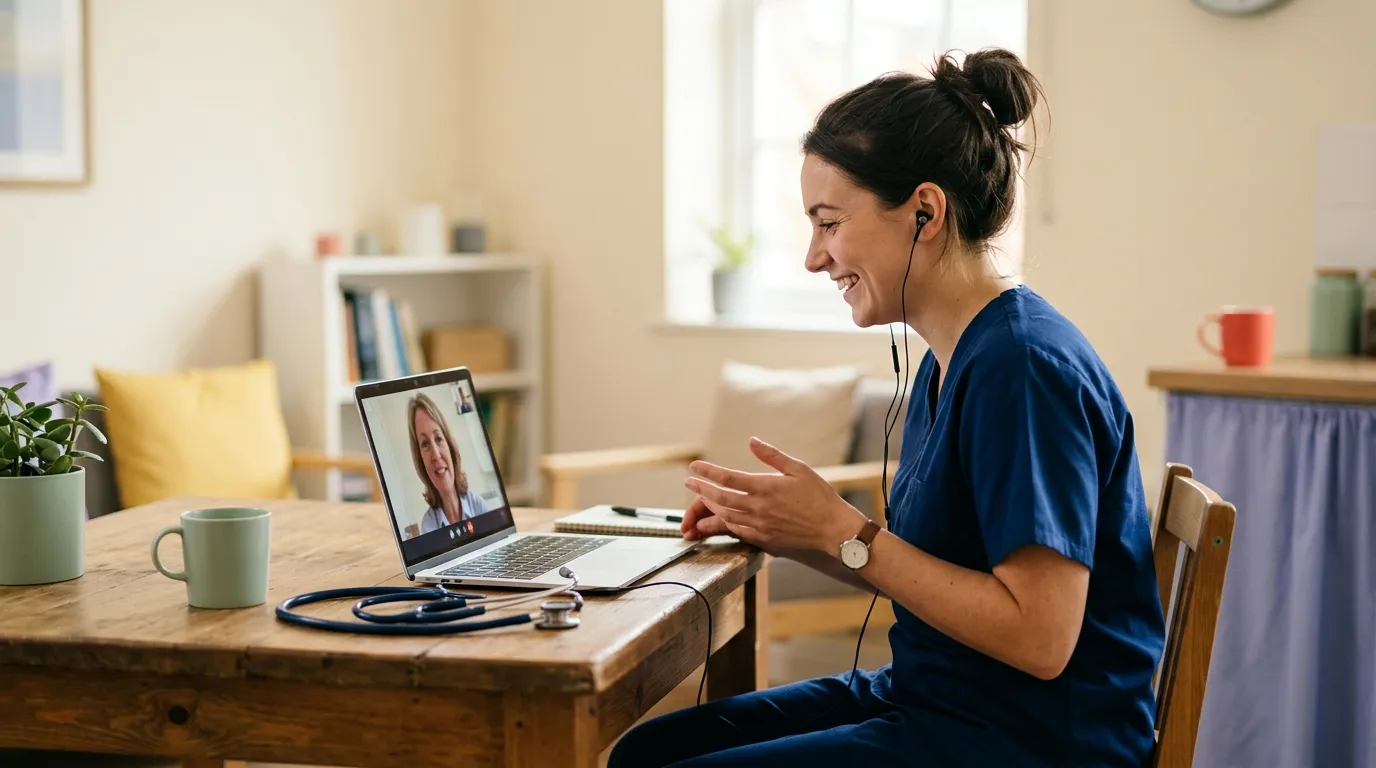
Medical Spanish classes online come in three formats: self-paced courses with medical vocabulary, live university extension classes, and 1-on-1 lessons with a tutor who plays your patient. If you're a nurse, physician, medical assistant or paramedic with Spanish-speaking patients, pick by your goal: credits and vocabulary, a structured class, or speaking practice around your shifts.
This guide compares the three, with prices from the official pages (checked September 2026), and shows how to test a medical Spanish tutor in one trial lesson.
What types of medical Spanish classes online can you choose from?
Medical Spanish classes online fall into three groups: self-paced courses you follow alone, live classes run by university extension programs, and private lessons with a tutor on a marketplace such as Preply. They differ most on two points: how much you speak out loud, and whether you get CME credits.
| Option | Format | Price (checked Sept 2026) | Live speaking | CME credits |
|---|---|---|---|---|
| Rice University, Spanish for Healthcare | Self-paced, about 4 weeks, 3 to 6 h a week | $49 | None | Not listed |
| CanopyLearn Medical Spanish | Self-paced, 40 hours, 3 levels, role-plays | Not listed on the page | Recorded role-plays | Up to 45 AMA PRA Category 1, 45 nursing contact hours |
| UC San Diego Extended Studies, Spanish for Healthcare Professionals I | Live online (evening) or asynchronous, 12 weeks | $395 | In class, shared with a group | 3 units, no CME listed |
| Preply, 1-on-1 medical Spanish tutor | Live 25 or 50 minute lessons, your schedule | Set by each tutor | Most of the lesson | None |
Verdict: take a self-paced course if you need credits or a cheap start, and add a tutor when you need to hold a real conversation with a patient. Our Spanish learning hub covers the general side of the language.
Are self-paced medical Spanish courses online enough?
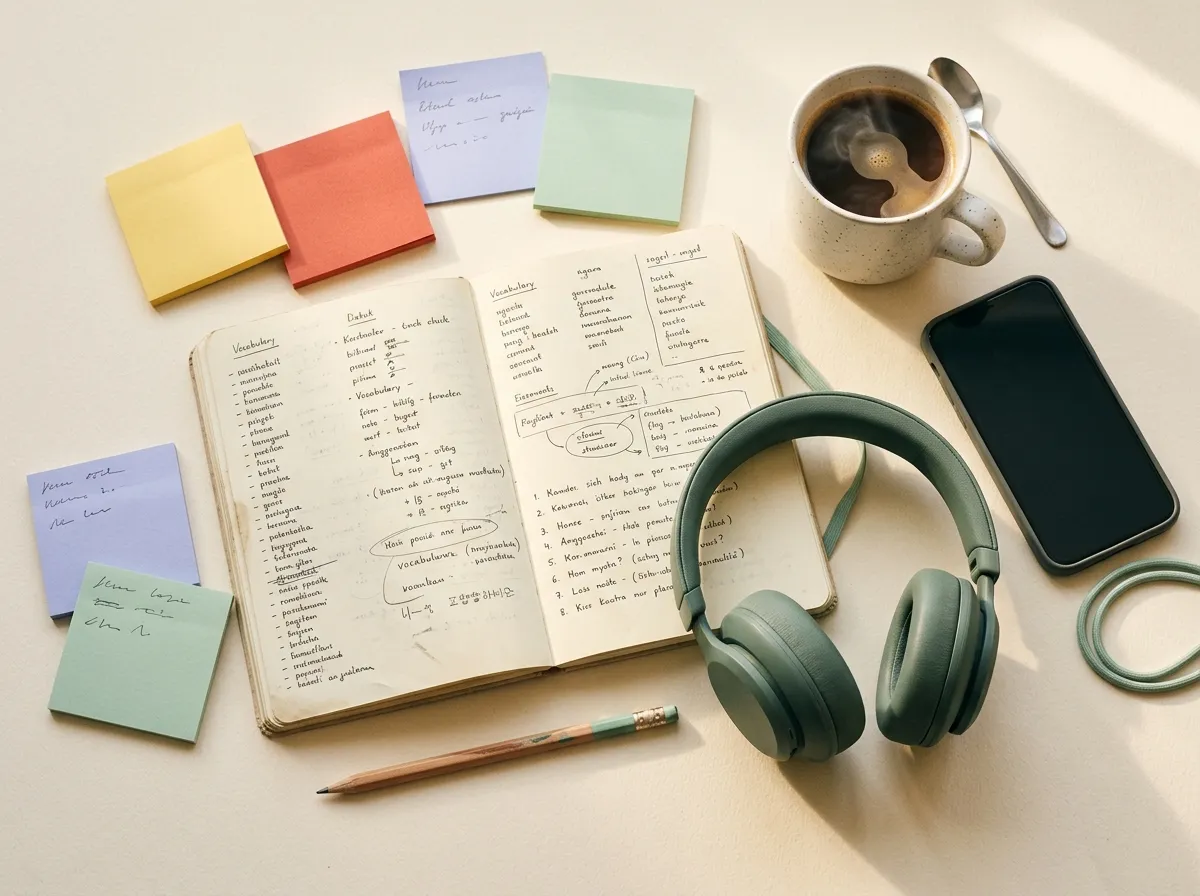
Self-paced medical Spanish courses are enough to learn the vocabulary: body parts, symptoms, pain scales, medication instructions. They are not enough to make you fluent at the bedside, because you never have to answer a person who speaks fast, in a regional accent, while you examine them.
The Rice course is built as 4 modules of 4 lessons, each with a quiz and a final exam graded at 80% or higher. CanopyLearn splits 36 lessons over three levels, with lessons of about 15 minutes, which fits a lunch break. Both are good value for what they do.
Why take medical Spanish classes online with a 1-on-1 tutor?
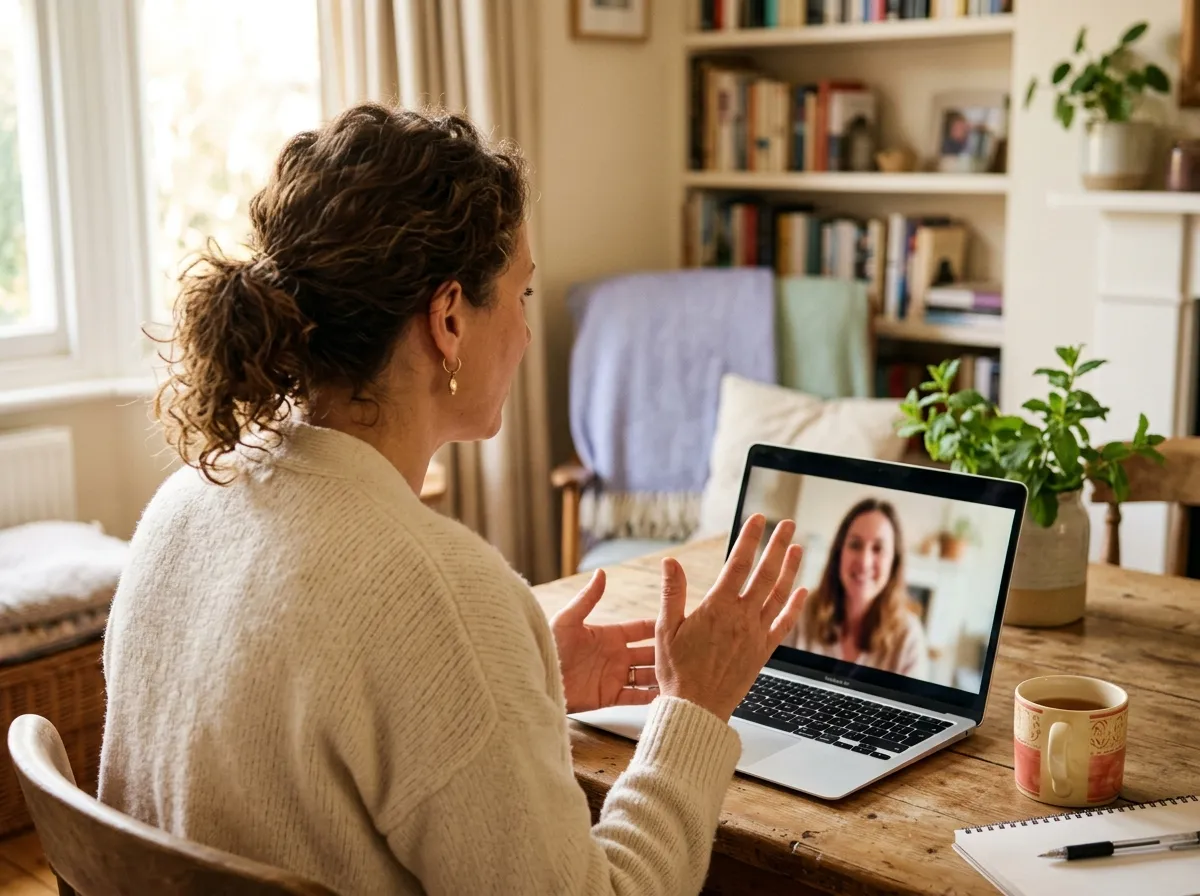
A 1-on-1 medical Spanish tutor makes you speak for most of the lesson and corrects you as you go. That is the part a recorded course can't do. You can rehearse a full intake, from greeting to discharge instructions, and repeat the parts where you freeze.
In my own lessons on Preply (English, not Spanish, 50 minutes each), I talk for most of the time, and that is what moved me from understanding well to actually expressing myself. The same logic applies to a clinician whose Spanish is fine on paper but stalls in front of a patient. More on this in our page for people learning a language for work.
Private tutoring has real limits, though. Preply gives no CME credits and no course certificate, the quality depends on the tutor you pick, and prices vary a lot from one tutor to the next. Our full Preply review goes through the costs and the downsides.
How do you test a medical Spanish tutor in one trial lesson?
Test a medical Spanish tutor by asking them to play a patient for 10 minutes and watching how they correct you. Preply trials last 25 or 50 minutes, and if the tutor isn't a fit, Preply's Help Center says you can get up to 2 free trial replacements with other tutors (checked September 2026).
Before the trial, send the tutor your specialty and one real scenario. Then check these five points:
- Does the tutor list medical or healthcare Spanish on their profile, or did they teach it before?
- Do they run a role-play instead of explaining grammar for 20 minutes?
- Do they correct you during or right after the role-play, with the correct phrase written down?
- Do they adapt to your patients' Spanish (Mexican, Caribbean, Central American)?
- Did you speak for more than half of the lesson?
Three yes or fewer: book the next tutor. Our 10-minute method for choosing a tutor explains how to filter profiles fast.
Which medical Spanish phrases should an online class drill first?
A good online class drills the questions you ask every day, in the formal "usted" form you use with patients. Start with these:
- ¿Dónde le duele? (Where does it hurt?)
- Del uno al diez, ¿cuánto le duele? (From one to ten, how much does it hurt?)
- ¿Desde cuándo tiene estos síntomas? (How long have you had these symptoms?)
- ¿Es alérgico a algún medicamento? (Are you allergic to any medication? Use "alérgica" for a woman.)
- Respire hondo, por favor. (Take a deep breath, please.)
Ask your tutor to answer in full, fast sentences, the way a worried patient would. Understanding the answer is harder than asking the question.
Does a medical Spanish class online qualify you to interpret?
No. A medical Spanish class online, even with a certificate, does not make you a qualified interpreter under US rules. The federal rule on language assistance (45 CFR 92.201) bars covered providers from relying on staff other than qualified interpreters, qualified translators or qualified bilingual staff to communicate with patients who have limited English proficiency.
Under 45 CFR 92.4, qualified bilingual staff are designated by their employer and have demonstrated proficiency in both languages, "including any necessary specialized vocabulary". So a class helps you build rapport and handle simple exchanges; for consent, diagnoses and anything serious, check your employer's policy and call an interpreter when in doubt. If you manage a clinical team, our page on language training for teams compares the options.
Skip private tutoring if you can't protect at least one slot a week between shifts: a course you can pause will serve you better.
Not sure you're ready for medical vocabulary yet? The level quiz takes two minutes, and if your general Spanish needs work first, here is a weekly routine for learning Spanish fast around a job.
Questions healthcare workers ask about medical Spanish classes
What level of Spanish do I need for medical Spanish classes online?
It depends on the course. UC San Diego's Spanish for Healthcare Professionals I needs no prior Spanish, while Preply's medical Spanish course is set at intermediate level. A 1-on-1 tutor can start from zero, but you will spend the first weeks on general Spanish.
Can I get CME credits for an online medical Spanish course?
Yes, from some self-paced courses. CanopyLearn lists up to 45 AMA PRA Category 1 Credits for physicians and 45 contact hours for nurses (checked September 2026). Private tutoring platforms such as Preply do not award CME credits.
Does a medical Spanish course make me a qualified interpreter?
No. Under 45 CFR 92.4, qualified bilingual staff must be designated by their employer and demonstrate proficiency, including specialized vocabulary. A course completion certificate is not that. Ask your employer how they assess bilingual staff.
How long does it take to learn medical Spanish?
Short courses run from about 4 weeks (Rice University, 3 to 6 hours a week) to 12 weeks (UC San Diego). Preply estimates about 13 hours for its medical Spanish course. Speaking comfortably with patients takes longer if you start as a beginner.
Is a 1-on-1 tutor better than a course for medical Spanish?
For speaking, usually yes: you talk for most of the lesson and the tutor corrects you on the spot. For credits, structure and a low price, a self-paced course wins. Many clinicians combine the two.